


 By neha - July 07, 2026
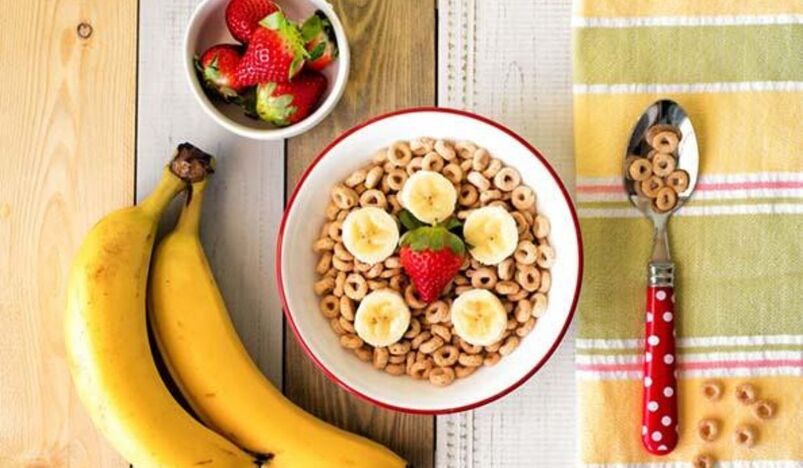
Cereal aisles overwhelm most shoppers within seconds. Bright boxes, bold health claims, and cartoon mascots make choosing a healthy option surprisingly hard.
The good news is that a genuinely healthy cereal does exist. You just need to know exactly where to look on the label.
What should you check first on a cereal label?
Start with the ingredient list, not the front of the box. The first ingredient should always be a whole grain.
Look for words like whole wheat, whole oats, or whole corn near the top. If sugar or a refined grain appears first, keep looking.
A short ingredient list is also a strong signal. Long lists packed with unfamiliar additives usually mean heavy processing.
How much fiber should a healthy cereal contain?
Aim for at least 2.5 grams of fiber per serving as a baseline. Five grams or more per serving is even better for most adults.
Fiber slows digestion and helps you feel full longer. Many popular cereals fall well short of this target despite fiber claims on the box.
How much sugar and sodium is too much?
Choose cereals with minimal or no added sugar whenever possible. Many best sellers pack a full day's worth of sugar into one small bowl.
Sodium deserves attention too, even though shoppers rarely check it. Some cereals add salt that offers no nutritional benefit at all.
Compare similar cereals side by side using the nutrition panel. Small differences in sugar and sodium add up over a week of daily breakfasts.
Why does portion size matter so much?
The calorie count on most boxes assumes a small serving, often 3/4 to 1 cup. Real bowls are frequently two or three times that size.
Measure one serving with an actual measuring cup at least once. That simple exercise reveals how far off your usual bowl really is.
Aim for cereals at 150 calories or less per labeled serving. Then stick close to that measured portion at breakfast.
Which cereals actually meet these healthy standards?
A handful of well known options come close to checking every box. Shredded Wheat, Kashi Go Lean, Cheerios, and All-Bran are strong examples.
These cereals generally lead with whole grain, carry solid fiber content, and avoid excessive added sugar. None are perfect, so still check the label on your specific box.
What if you want to skip cereal altogether?
Plenty of breakfast options beat cereal on nutrition without much extra effort. Oatmeal topped with fruit and nuts is a simple, filling swap.
Eggs, yogurt with fresh fruit, and peanut butter on whole grain toast all work well too. Each delivers more protein than a typical bowl of cereal alone.
Does milk choice change the nutrition of your bowl?
Yes, and it matters more than most people realize. Skim milk or a protein fortified non-dairy milk boosts the nutritional value of any cereal bowl.
Since much of a bowl's protein and calcium often comes from milk, choosing wisely here makes a real difference.
Quick answers for common questions
Q: What is the healthiest cereal to buy?
Look for options like Shredded Wheat, Cheerios, Kashi Go Lean, or All-Bran. Each leads with whole grain and offers solid fiber content.
Q: How much cereal counts as one serving?
Most labels use 3/4 to 1 cup as a serving. Measuring this once helps you see how your usual bowl compares.
Q: Does adding milk make cereal healthier?
Yes. Skim milk or fortified non-dairy milk adds protein and calcium that many cereals lack on their own.

_20-08-2026_05-08.jpg)
_27-51-2026_11-51.png)
_27-43-2026_12-43.png)



.jpg)
.jpg)




.jpg)


.jpg)
.png)
.jpg)













Leave a comment